• Kis with flowers

    Kis with flowers

  • Vietnam simple people

    Vietnam simple people

  • Vietnam beauty

    Vietnam beauty

Hiển thị các bài đăng có nhãn Dalat foods. Hiển thị tất cả bài đăng

Thứ Ba, 6 tháng 10, 2015

Dalat Sightseeing and Tourist Attractions

He quoted us a price of $50 US per day per person (there were two of us) for the services of him as a guide plus a driver. This seemed quite expensive at first considering local prices but we decided we’d take the tour for three days ending in Nha Trang. 
If you wanna travel to Dalat but don’t know anythings about dalat travel guide, you can look at in this topic.
Dalat Sightseeing and Tourist Attractions
For a day excursion around the local area the ‘Easy Riders’ offer a great service provided you’re comfortable on the back of a motorbike. They’ll charge you about $10 US for a day excursion to the main attractions around Dalat which will probably include a visit to Chicken Village, a Koho minority people’s village where a huge concrete chicken stands above the wooden houses. From here most excursions continue on to visit a silk factory where you can watch the whole process of producing silk scarves, then proceed to the impressive Elephant waterfalls. Similar routes covering other waterfalls and alternative craft industry visits may be offered.
5-trai-nghiem-co-the-ban-chua-biet-khi-du-lich-Da-Lat-ivivu-2
Within Dalat itself it’s difficult to do the main sightseeing on foot as the main sights lie well away from one another and at this altitude and with some steep hills around you’d be better off getting around on the back of a motorbike or taking one of the daily sightseeing tours offered by Sinh Cafe or other local operators.
Highlights of Dalat sightseeing tours include Emperor Bao Dai’s Summer Palace, the Linh Phuoc Pagoda and Dalat railway station. A landscape sightseeing tour takes you a little further out of town and the Langbiang Mountain hiking tour takes you to a traditional Lat village by four wheel drive from where you walk the steep hill to the top of the mountain for stunning views over Dalat and beyond. No matter what they tell you in the office, a good level of fitness is recommended for this climb.
du-lich-da-lat-iVIVU.com-6
Private Tours from Dalat
On the Langbiang Mountain hike we were accompanied by a guide called Phu who was originally from Pleiku in the north of the Central Highlands. He told us of a trip he’d just done with a couple of Australians which began in Dalat and continued north through the Central Highlands ending in Hoi An five days later. He quoted us a price of $50 US per day per person (there were two of us) for the services of him as a guide plus a driver. This seemed quite expensive at first considering local prices but we decided we’d take the tour for three days ending in Nha Trang. This trip would prove to be the undoubted highlight of our time in Vietnam. After the first two days we asked to extend the trip to five days and travelled the whole Central Highlands from Dalat to Hoi An accompanied by Phu and our driver Tam in a 9-seater Mercedes people carrier.
Other Useful Information
In HCMC there was no malaria risk so having taken no medication we had no worries. However, going to Dalat we had been concerned. We needn’t have worried as hotel rooms had mosquito nets and there were hardly any mosquitos anyway. The hotel owner didn’t seem to realise that our concern was with the danger of contracting malaria and not with the potential discomfort of mosquitos bites. Malaria clearly wasn’t an issue locally.
Commiting to the Central Highlands tour which followed was a concern because of the mosquito factor as we would be off the tourist trail but again there was no problem. Phu assured us that there were no mosquitos which seemed a likely story from a guide looking for business. But he was true to his word and I don’t recall seeing hardly any during the five days we travelled through the centre.

Thứ Bảy, 3 tháng 10, 2015

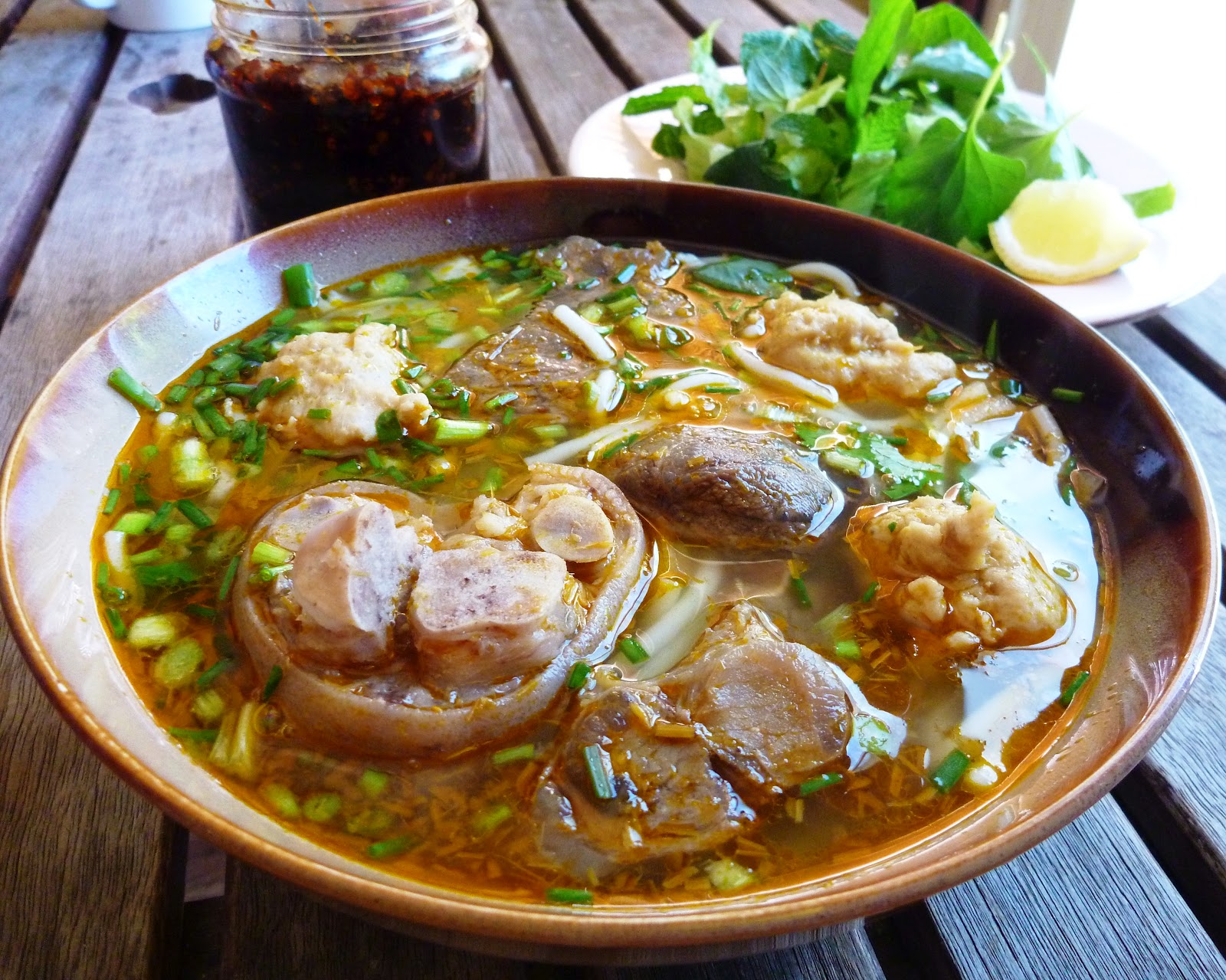
Hue beef noodle: the typical culinary art of Hue!

Hue beef noodle takes its origin from the Royal Hue City of Central Vietnam. The broth is from cooking beef bones for a long period of time as well as a variety of different spices including lemongrass.
>>> If you wanna travel to Dalat but don’t know anythings about dalat travel guide, you can look at in this topic.
In Hue city, the former citadel of Vietnam, it doesn't take you a lot of money to dine like a King!
Hue beef noodle takes its origin from the Royal Hue City of Central Vietnam. The broth is from cooking beef bones for a long period of time as well as a variety of different spices including lemongrass.
am-thuc-hue
How does it taste? Well, having a bowl of Hue beef noodle, you will easily recognize that it is completely different from Pho since the former’s beef broth is much more spicy.
How to make it? Learning how to make a clear broth from bone and meat is quite a difficult task. After being selected from the market, the fresh beef will be shredded, boiled and taken out of the water to obtain a delicious clear broth. A typical version of Hue beef noodle must include pork, roast beef, pig’s blood, Vietnamese salami, Hue’s style salami, shrimp sauce and chopped lettuce.
The interesting thing is that, the amount of salt put in the beef noodle recipe varies between seasons. For example, during summer, Hue beef noodle soup is served with soy bean, mint and different kinds of lettuce while in the winter, the recipe is saltier added with lemongrass and fish.
The best Hue beef noodle comes from the street vendors who work from dawn to early morning. In Hue, when night lights are on, you can enjoy a good bowl of this noodle soup at restaurants in front of No. 84 Mai Thuc Loan Street. This hot dish represents just a few of the treasures of Hue's traditional cuisine. Clam-rice and the flour pies like beo (streamed flour cupcakes), nam (wrapped shrimp pies) and loc (tapioca and shrimp pies), for examples, are part of the ancient capital's culinary heritage.
Where to have Hue’s beef noodle in Hanoi Viet nam?
You are in Hanoi, and wondering if such a Hue’s specialty appears in Hanoi or not. Don’t worry, Hue beef noodle come up quite often in many streets of Hanoi from morning till night. It’s better to ask your hotel to recommend a place nearby or you can refer to the following reliable addresses:
No. 4 Ly Thuong Kiet Street, Hanoi
No.467 Đoi Can Street, Hanoi
No.7 Thai Phien Street, Hanoi
No.22 Phan Boi Chau Street, Hanoi
No.175 Lang Ha Street, Hanoi
No.G23 Huynh Thuc Khang Street, Hanoi

Thứ Sáu, 2 tháng 10, 2015

Vietnam foods: Cha ca La Vong (grilled minced fish)

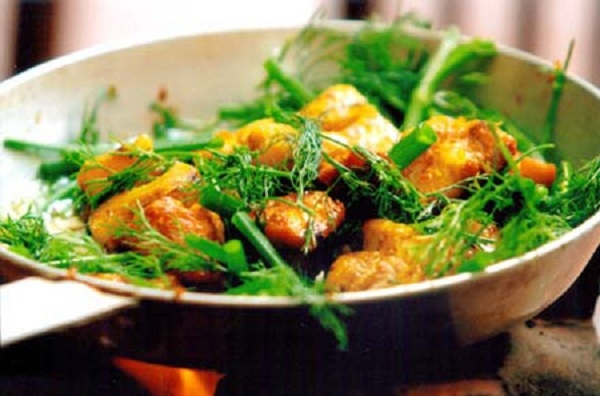
A few seconds more, as soon as a cauldron of boiling fat is brought in, the waiter starts pouring it o­n each bowl of grilled fish, thus producing a white smoke and sputtering noise.
>>> If you wanna travel to Dalat but don’t know anythings about dalat travel guide, you can look at in this topic.
Hanoi now has several stores selling Cha ca La Vong, but none of them can be equal to the Cha Ca Road’s in terms of quality and flavor. As a popular dish, La Vong grilled fish pie is indeed a remarkable culinary invention.
The long history…
In ancient days, there was a street selling paints, called the Paints Street. The Doan family, located at house No, 14 of this street, hit upon a new idea that sold fried fish pie served with soft noodles and seasoning. Encouraged by the appreciation of customers, the family specialized in this trade and the shop was called as "Cha ca La Vong store" as a wooden statue of an old fisherman (La Vong) holding a fishing rod and a string of fish stands at the door. As the specialty grew famous with every passing day, the street was renamed by the people as Cha Ca Street (fried fish pie street).
cach-lam-mon-cha-ca-la-vong-20
Imagine that you are one of the guests…
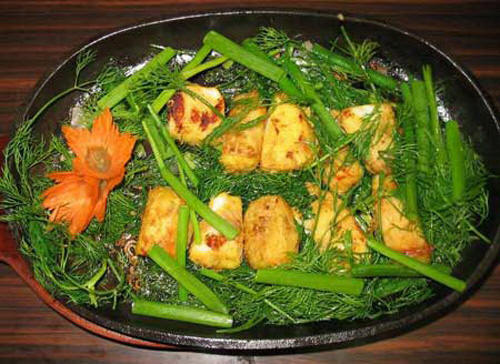
While you sit down at the table, the waiter starts laying there some seasonings includes a bowl of well - stirred shrimp paste sauce mixed up with lemon. After dropping the liquor, he will decorate the bowl with a few slices of red fresh pimento, a plate of grilled ground nuts of gold yellow color, various species of mint vegetables o­nions in small white slices.
To many customers, the sight of such seasoning already greatly stimulates their appetite. A few minutes later, fried fish, yellow in color and flagrant in smell put o­n a plate of anethum vegetable, is brought in. But that is not all. A few seconds more, as soon as a cauldron of boiling fat is brought in, the waiter starts pouring it o­n each bowl of grilled fish, thus producing a white smoke and sputtering noise.
grilled minced fish
Now, this is the time for picking and choosing what you like from the dishes on the table; sticking them into your bowl. Everything in all dishes should be eaten together. Let’s taste…
In the whole of Vietnam, there are 3 suggested Cha ca La Vong restaurants:
N014, Cha Ca street- Old Quarter in Hanoi
N087 Nguyen Truong To street, Hanoi
N03 Ho Xuan Huong street, Ward 6, District 3, HCMC

Thứ Tư, 30 tháng 9, 2015

Grilled shrimp paste-a whole ocean in one bit!

Firstly, boil the pork fat, drain and finely dice then, put shrimp, garlic, scallion, egg white, sugar, salt and pepper in a food processor. Do not forget to add pork fat and mix well. Split each section of the sugar cane lengthwise into quarters then oil your fingers.
Grilled shrimp paste, which has been roughly translated in Vietnamese as chao tom, was originally created by the ingenious cooks for the imperial kitchen in Hue. Walking along some streets and stopping at one grilled shrimp paste vendor in Hue, Hanoi Vietnam or Saigon will give you the chance for tasting that dish with unforgettable flavor!
shrimp
Is it easy to make?
If you have chance to see how Vietnamese people make a good grilled shrimp paste, you will notice that its process is not so difficult or time-consuming.
Firstly, boil the pork fat, drain and finely dice then, put shrimp, garlic, scallion, egg white, sugar, salt and pepper in a food processor. Do not forget to add pork fat and mix well. Split each section of the sugar cane lengthwise into quarters then oil your fingers. Mold the paste onto the sugar cane; leave about 1 inch each end of the sugar cane exposed to serve as a handle. .. You can grill over medium charcoal, or broil in the oven until browned or pre-steam until the color turns pink then pan-fry them. Taste and adjust if necessary.
tom-nuong-sa-te1
Indispensable spices
It must be a big mistake if you enjoy this dish without fish sauce which is considered the most finical one in Vietnam travel. Chicken broth, tamarind juice, peanut butter are combined in a small sauce pan, stir well and brought to boil over medium heat, adding sugar to taste.
Now, Chao tom, grilled shrimp paste, is waiting for you to enjoy!
See more: Tips for visiting Sapa in this winter

Thứ Ba, 29 tháng 9, 2015

Vegetarian eating in Vietnam – same, same but different!

Speaking about vegetarian regional menu, it's important to pay attention to the basic features of vegetarianism and peculiarities of the meals the entire vegetarian used to eat. Since, it's a common knowledge that vegetarianism is referred to the practice of not eating meat and its all possible by-products.
Vietnam is not only a rather peculiar country of North Asia with extremely friendly and helpful people but its vegetarian regional menu is also worth discussing. The majority of Vietnamese population is meat-eaters, however, there are those who prefer vegetarian cuisine and pay much attention to the issue of their nutrition and health. Many meals are prepared and sold in the streets. Therefore, you will probably need some extra guidance to thoroughly study the Vietnamese vegetarian menu.


Speaking about vegetarian regional menu, it's important to pay attention to the basic features of vegetarianism and peculiarities of the meals the entire vegetarian used to eat. Since, it's a common knowledge that vegetarianism is referred to the practice of not eating meat and its all possible by-products. This means that, vegetarians are the people who exclude from their daily meals beef, poultry and most of dairy products or eggs. However, there are several types of vegetarians and some of them still eat a number of dairy products. The majority of vegetarians also don't eat the products derived from animal carcasses including tallow, lard, rennet, gelatin, cochineal, etc. It's interesting to mention the new tendency present in vegetarianism of not wearing clothes, shoes or accessories made from animals (for example, silk, leather, fur and feather).

 The abundance in fresh vegetables and fruit!

Whereas vegetarian cuisine in the West often means a bland plate of grilled vegetables or strange faux meat products, Vietnamese vegetarian fare sticks to familiar flavors and ingredients. Like it is the case with many other South-Asian countries, the Vietnamese vegetarian menu that features fish and meat as seasonings and condiments is something to talk about. Speaking about the Vietnamese cuisine, it's impossible not to mention about its abundance in fresh vegetables and fruit. However, these vegetables and even various tofu dishes are often made with pork, meat broth or fish. Sometimes, Vietnamese vegetarian regional menu includes all the mentioned three ingredients. Some professionals in sphere of vegetarianism consider Vietnamese menu to be among the most outstanding and significant cuisines on Earth (along with the African-American vegetarian menu). Many tourists who visit Vietnam travel often state that food and specific regional menu is one of the important reasons to visit the country.

 It's impossible to speak about Vietnam and not to tell you some words about the well-known dishes included in the Vietnamese vegetarian menu. Vietnam cuisine is full of such outstanding delicates as vegetarian version of pho, Vietnamese meat and noodle soup, noodle-rice shacks, vegetable soups, sweet-and-sour cauliflower, stir-fried noodles and vegetables... For those seeking meatless fare for dietary reasons, religious leanings, or just personal preference, there are a handful of well-run and exciting Vietnamese vegetarian restaurants in the city worth getting to know. You would imagine that, in a society where roughly 85% of the people are practicing Buddhists, vegetarian restaurants could be found on every corner. Thus, it won't be an exaggeration to say that Vietnam offers a warm welcome to both vegetarians and non-vegetarians nowadays.


A place to enjoy?

When Dang Hong Diem - a fifty-one-year-old retired electrical engineer- decided to open a vegetarian restaurant, she wanted "to create a relaxed atmosphere without the loud music that so many others have now. I also wanted simple and elegant service." Anyone who has been to Nang Tam, the latest addition to Hanoi's gourmet scene, knows Diem has succeeded. The restaurant shows off a wide range of Vietnamese dishes while answering the demand for vegetarian food in Hanoi Vietnam. She settled on a vegetarian restaurant because her foreign friends said there was not a good one in Hanoi. As the menu explains, she then named her establishment Nang Tam after the Cinderella-like character in a Vietnamese fairytale who wins her prince with her home cooking.

Diem originally spent months touring the country collecting recipes and ideas. The menu includes the regional specialties she tasted as well as a blend of Vietnamese and Western favorites. There are thirty vegetarian dishes to choose from and daily specials made with pork, fish or chicken for meat-eaters.

Carrots, tofu and mushrooms are used to replace the meat in dishes like roast duck and beef salad. For a first course, we recommend the creamy potato soup. Popular main courses include snowballs or tuyet hoa, a deep-fried combination of grated potatoes, chopped mushrooms and croutons. Also popular are the spring rolls, a vegetarian version of the traditional nem. The breaded chicken croquettes or ga tam bot ran are actually cauliflower bouquets dipped in a batter and deep fried. The stuffed cabbages or bap cai nhoi are another favorite. You can finish your meal with a fruit tart and a cup of coffee.

In addition to the food, clients are impressed with the helpful service and hospitable attitude. Classical music and a working fireplace add to the ambiance as ambassadors and students mix with Vietnamese businesspeople. "It's one of those hidden treasures," says American tourist Nancy Howe. "The portions are just right and the prices are reasonable."

Nang Tam is not easy to find, though it is definitely worth the trouble. Just down the street from the Cambodian Embassy, a sidewalk sign advertises Com Cay Nang Tam or Vegetarian Restaurant. Located at 79 Tran Hung Dao, Nang Tam is set off the street behind a yellow French colonial building that is now home to the Financial Times. The restaurant's ten small tables are usually full so reservations are required, especially for dinner.

Even you are not a vegetarian; please do not hesitate to try this kind of food in our country because it will give you the unique taste with the frequent ingredients! That is “same, same but difference!”

See more: Tips for visiting Sapa Vietnam in this winter

Thứ Hai, 28 tháng 9, 2015

Rolled rice pancake

A short walk north of Hàng Da Market and Hàng Điếu street will bring you to Bánh Cuốn Thanh Vân, just look for the bánh cuốn station—two large covered steaming pots—out front along the sidewalk.
If you wanna travel to Hanoi but don’t know anythings about Hanoi Vietnam travel, you can look at in this topic.
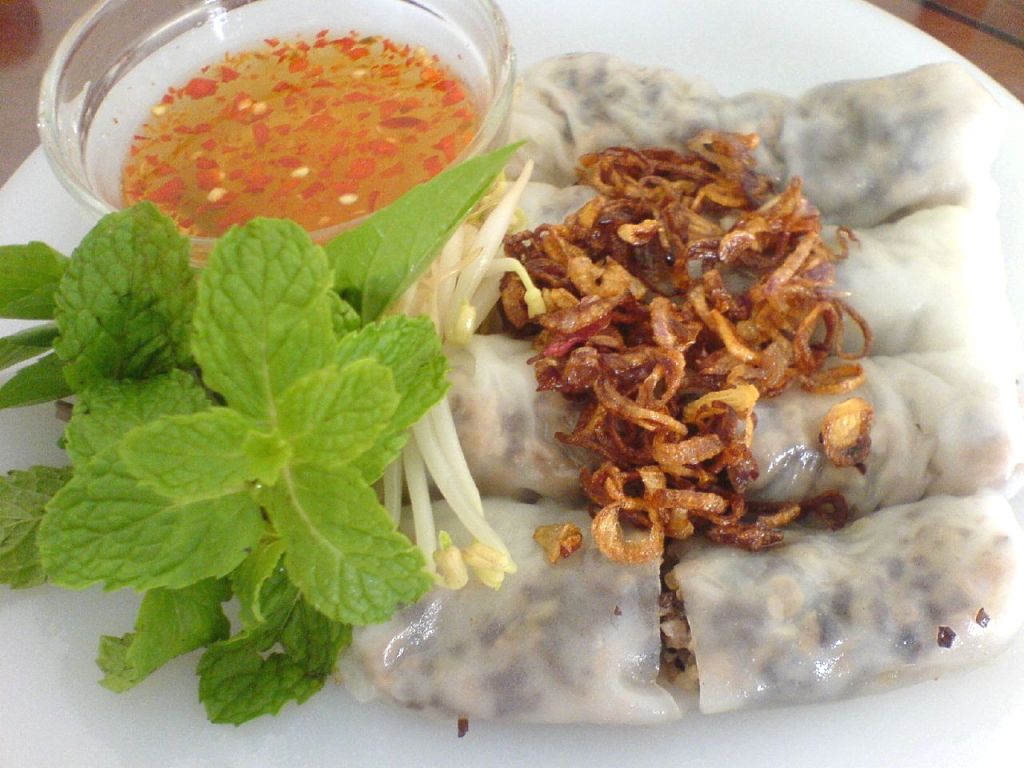
Among other members of the extended noodle family, bánh cuốn almost ranks first. It is a paper-thin steamed rice flour pancake, much like delicate sheets of fresh rice noodles. The pancakes are plucked off of the linen steamer base, and immediately rolled with minced pork and mushrooms, then piled on a plate, sprinkled with deep fried shallots, snipped with scissors into bite sized sections, and topped with fresh herbs such as cilantro or Vietnamese basil. A plate of bánh cuốn is a light dish traditionally eaten as breakfast in Hanoi Vietnam but now can also be found as a late night snack.
Cach-lam-banh-cuon-thanh-tri
To eat, dip a section of rolled noodle goodness into the accompanying warm fish sauce broth, brightened with a squeeze of fresh lime. You can also pick the leaves off the herbs and add them to the dipping sauce, grabbing a leaf or two as you dip, or you can follow each bite with a chaser of herbs. Bánh cuốn are often eaten with different sides of pork sausages, including sheets of an orange hued, roasted cinnamon sausage called chả quế.
Where to find it?
A short walk north of Hàng Da Market and Hàng Điếu street will bring you to Bánh Cuốn Thanh Vân, just look for the bánh cuốn station—two large covered steaming pots—out front along the sidewalk. Just take a look! The practiced hands keep the bánh cuốn rolling out with experiences, alternating seamlessly between spreading the thin batter on the linen base of one steamer, then at right time, turning to the other to peel the delicately steamed pancake off the linen base with a bamboo stick. By the time the batter is spread on its newly emptied linen base, the pancake in the first steamer is ready and waiting. With only 6 tables nestled inside the small open storefront, the pace never slows. Serving 7AM-1PM and 5PM-11PM.
Coordinators:
No. 14 Hàng Gà street, between Hàng Mã and Hàng Vải (the Hàng Vải corner is lined with bamboo ladders and poles). It is located on the west side of the street, not far from where the street name changes from Hàng Cót to Hàng Gà.
The restaurant Quán Ăn Ngon, No.18 Phan Bội Châu Street, also does a very respectable version of bánh cuốn.
See more: Tips for visiting Sapa Vietnam in this winter

Thứ Sáu, 25 tháng 9, 2015

“Banh khuc”, so delicious!

First, the cudweed is washed, ground and then mixed with husked glutinous rice. Green beans, that are flayed and turned into paste after being cooked, are then added to the mixture. Finally, the cakes are sprinkled with grains of glutinous steamed rice.
If you wanna travel to Vietnam but don’t know anythings about Vietnam travel, you can look at in this topic.
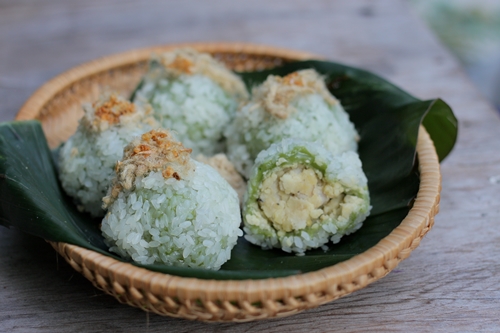
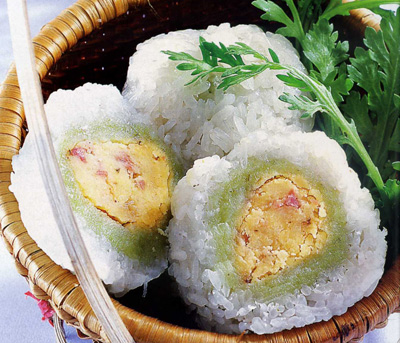
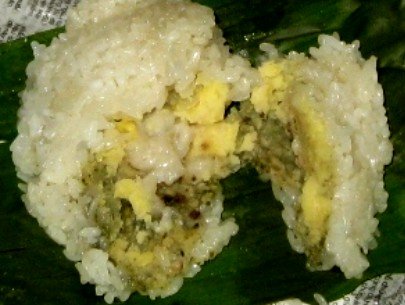
The cake is a rice ball made of glutinous rice mixed with cudweed (khuc)-most important ingredient and filled with green bean paste, pork, and spices.
13-JPG-1377236005
Cudweed grows during lunar January and February, when the drizzling rain lasts all day, and it can be found along the edges of rice fields. There are two kinds: “nep” and “te”. The latter is more flexible and fragrant and is preferred for making the cake.
First, the cudweed is washed, ground and then mixed with husked glutinous rice. Green beans, that are flayed and turned into paste after being cooked, are then added to the mixture. Finally, the cakes are sprinkled with grains of glutinous steamed rice.
banh-khuc
As time goes by it is increasingly difficult to find cudweed as fields are eaten up by development. For now, you still can find “banh khuc” in Hanoi. However, some bakers may not be using cudweed and may substitute it with cabbage or water morning glory.
Wishing to have the chance to satisfy your hunger for “banh khuc”, you can visit cake stall at 69 Nguyen Cong Tru Street, that has been churning out “banh khuc” for years. Ms. Nguyen Thi Lan, the seller, has to hire locals in rural areas in Hanoi Vietnam or in neighbouring provinces to seek out the elusive cudweed. In winter, it grows in abundance so enough has to be collected to last the summer. The surplus will be dried and stored.
xoikhuc
If you are in the old quarter of Hanoi, you might hear someone cry “Ai banh khuc nong day?” (who wants hot “banh khuc”?). You can stop them and ask if the “banh khuc” is from Ngoai Hoang village in Ha Noi, a place that is famous for having the most delicious and tasty “banh khuc”. Then, you can buy one for tasting. The cake should be served hot and dipped into a mixture of roasted and crushed sesame seeds and salt...
See more: Tips for visiting Sapa Vietnam in this winter

Thứ Năm, 24 tháng 9, 2015

“Banh it” - sticky rice cake

In marriage rituals, a tray of “Banh it la gai” is the gift of the bride’s family to that of the groom to show the skillfulness of the bride who has made the Banh it together with other villagers.
It is true that “Banh it” is a must try specialty of the Central Region in Vietnam travel!
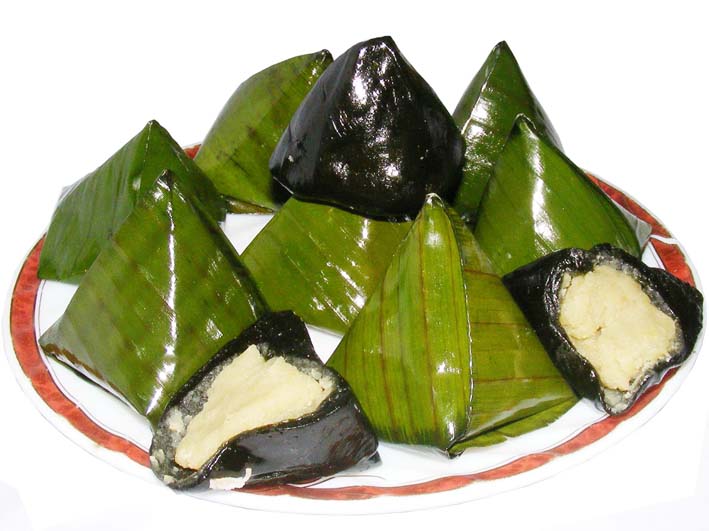
Commonly, there are two kinds of “Banh it”. The first one is “Banh it la gai”, which is sticky rice cake with coconut or green bean stuffing wrapped in pinnate leaf. The second one is “Banh it tom thit” - glutinous rice cake with meat and shrimp, its name means “little meat shrimp cakes”, the stuffing is made of ground pork and shrimp mixed with spring onion and other spices.
A popular saying goes: "If you wish to eat banh it la gai, get married to a Binh Dinh man to increase your life experience". It shows how essential “Banh it la gai” is to the people in the central region. Originating in Binh Dinh Province on the central coast, “Banh it la gai” has become a veritable specialty of that region of Vietnam.
1(5)
"Banh it la gai" is made from five ingredients - sticky rice, "la gai" (a type of thorn leaf popular in the central region), sugar, green beans (or black beans) and a banana leaf. The “la gai” is boiled and then ground in a stone mortar until its green colour turns black. The sticky rice is ground into flour. The sugar is dissolved in water and then boiled down to make syrup. Then the three ingredients are mixed together to make the dough. Meanwhile, the green beans are soaked in water for hours and then whipped before steaming. After that the well-done beans are ground and rolled into balls used as fillings for the dough.
The dumpling can also be made with sweetened ground coconut instead of beans. Either way the banana leaves are usually put quickly on the fire or dipped in hot water to make them soft so that it is easier to wrap the cake with them. The little packages usually are shaped like pyramids with square bottoms. Then people arrange the packets into a pot for steaming.
Visiting Binh Dinh,About over twenty kilometers away from Hanoi Vietnam, tourists can discover how “Banh it” often stands right in the centre of locals' lives. In death anniversaries, it is acceptable for there to be no fish or meat, but there must be “Banh it la gai”. In marriage rituals, a tray of “Banh it la gai” is the gift of the bride’s family to that of the groom to show the skillfulness of the bride who has made the Banh it together with other villagers.
In the former imperial capital of Hue in Thua Thien-Hue Province, tourists can also find “Banh it la gai” and another type of “Banh it” called “Banh it tom thit”. The cake is a little ball of sticky rice flour stuffed with shrimp and pork. The tasty morsel is served plain or wrapped in banana leaves and is one of the indispensable dishes in the death anniversaries of a Hue family.
“Banh it” is also popular in the historic town of Hoi An in Quang Nam Province. There tourists can find “Banh it” not only at family parties, wedding ceremonies and death anniversaries but also at restaurants. Hoi An has two types of “Banh it”: one with green bean filling and wrapped in banana leaves called “Banh it la gai nhan dau xanh” and the other also filled with green beans but served plain called “Banh it la gai tran”. Unlike common “Banh it la gai”, “Banh it tran” usually is pink and smells like la dua (a type of leaf that smells when it is steamed). A famous “Banh it la gai”-making family lives on Nhi Trung Street in Hoi An. Stopping by their ancient house, tourists can learn all the stages of making “Banh it”. They can see how people prepare “la gai”, whip beans, grind sticky rice and form the dumplings. Above all, they can enjoy “Banh it” right after it is steamed.
Once visting the central region of Vietnam, you should not miss a chance to enjoy the so delicious taste of “Banh it”...
See more: Tips for visiting Sapa Vietnam in this winter

Thứ Ba, 22 tháng 9, 2015

Speacial foods of Dalat, Vietnam

If you wanna travel to Dalat but don’t know anythings about Vietnam travel, you can look at in this topic.
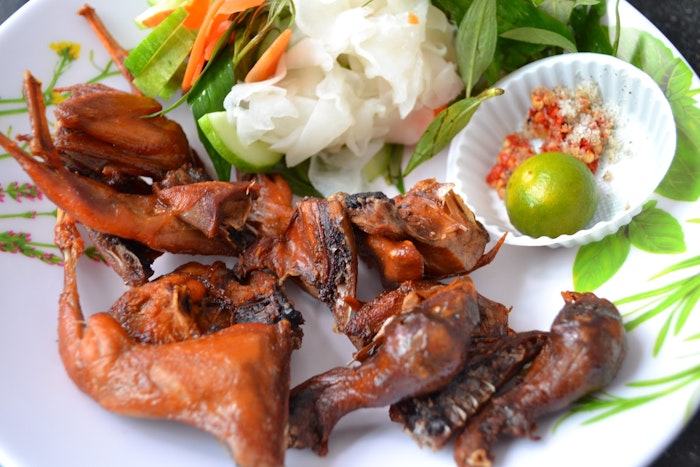
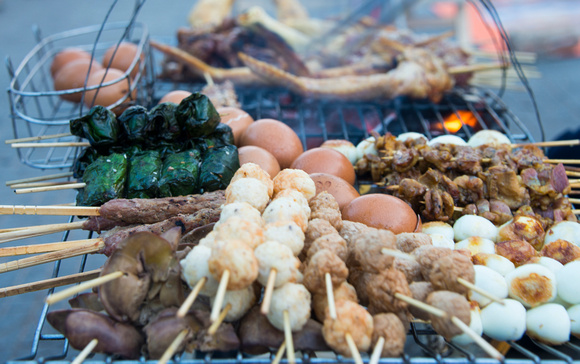
Don't judge others (this bird) by their first look. Believe me, it tastes like chicken but not, more delicious.
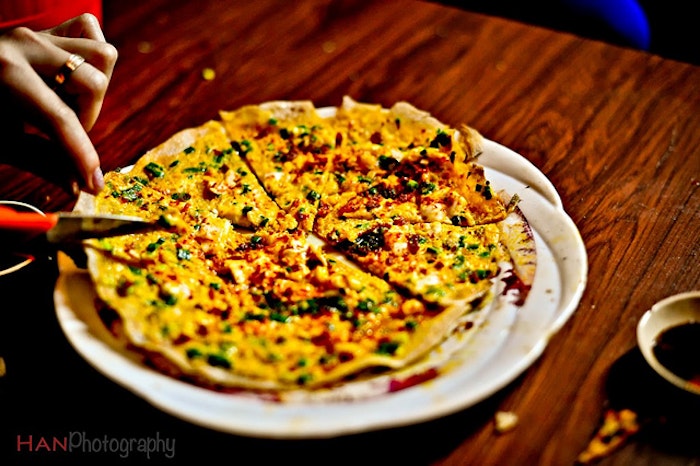
Bánh tráng nướng
It's call Vietnamese pizza, and nowhere in Vietnam has the same kind of this fried rice paper.
More food options
In Da Lat, there are so many delicious local food for us to enjoy- just tell me what you love to eat- then we will go to the place where they have the best food in Da Lat.


4e35360cb20111e4999c962ff5f29256
See more: Tips for visiting Sapa Vietnam in this winter

Thứ Năm, 17 tháng 9, 2015

Places to eat you should go when visiting Dalat, Vietnam

The popular places and restaurants which serve Lunch and Dinner: (affordable price)
Dalat market (2nd floor); Hoa Binh square (close to Tung Nghia Coach station); Ha restaurant, Quy restaurant on Hung Vuong St; Bac and Thanh Dat on Tang Bat Ho St; Vinh Loi restaurant (lot 10 Hai Thuong St) and vegetarian restaurants on Phan Dinh Phung St, Hoang Van Thu St and Hai Thuong St.
If you wanna travel to Nhatrang but don’t know anythings about Vietnam travel, you can look at in this topic.
Dalat cuisine is famous for its use of fresh ingredients, such as vegetables, herbs and meat. Due to this, combined with a minimal use of oil, Dalat cuisine is considered as one of the healthiest ways of cooking on earth. Instead of having a meal at the local tourist restaurant, Some local eateries offer you the opportunity to join a local family for a real home based dinner experience. Try the ingredients of amazing home cooked food, and get an experience you will never forget!
Place to eat you should go when visiting Dalat, Vietnam
FOR BREAKFAST:
* The Cafes which serve Noodle soup with beef, Noodle with seasoned and saute beef:
+ Hieu: Tang Bat Ho St
+ Ngoc Hiep: 3 thang 2 St
+ Tien, Ha Noi: Hoang Van Thu St
+ Phi Thuyen, Viet: Phan Dinh Phung St
+ Bang: Nguyen Van Troi St
+ Vinh Loi: Lot 10 Hai Thuong St
* The Cafes which serve Vermicelli and Beef:
+ Cong: Phu Dong Thien Vuong St, Nguyen Dinh Chieu St
+ Thien Trang: Ho Tung Mau St
+ Loan: Quang Trung St
* Quang region’s style noodle: Nha Chung St
* CAN Cake: Tang Bat Ho St
* XEO Cake (pancake): 3 thang 2 St, Nguyen Van Troi St, Bui Thi Xuan St and Nguyen Dinh Chieu St.
FOR LUNCH, DINNER:
The popular places and restaurants which serve Lunch and Dinner: (affordable price)
Dalat market (2nd floor); Hoa Binh square (close to Tung Nghia Coach station); Ha restaurant, Quy restaurant on Hung Vuong St; Bac and Thanh Dat on Tang Bat Ho St; Vinh Loi restaurant (lot 10 Hai Thuong St) and vegetarian restaurants on Phan Dinh Phung St, Hoang Van Thu St and Hai Thuong St.
Nhu Ngoc earthenware pot rice (Ho Tung Mau St); Huong Tra earthenware pot rice (1 Le Thi Hong Gam St)
Phan Rang chicken rice: 15 Tran Nhat Duat St; Hai Nam chicken rice: 01 Nguyen Van Troi St, Dalat.
Nam Chut fried chicken rice: 2A3, Nguyen Tri Phuong St.

FOR SUPPER:
Dalat night market: in the front of the city car park in Nguyen Thi Minh Khai street, opening from 5 PM to 3 AM. The night market serves various kinds of dishes with reasonable prices. In addition, tourists can also find soup, noodle, noodle with beef, hot Soya milk, etc. in Anh Sang hamlet, Hoa Binh square, Tang Bat Ho street and Nguyen Chi Thanh street.
Besides, there are some special dishes:
Mei hot-pot seafood (4bis Bui Thi Xuan St); Le Dung (Ho Xuan Huong St, Nguyen Tri Phuong St and Le Hong Phong St); Phuc Nguyen (32 Tran Hung Dao St); Dieu Thong (30/2 Tran Hung Dao St); Dai Loc (29B Phan Boi Chau St); Ngan (Hai Ba Trung St)
Tu Loan ethnic pig: 49bis Hai Ba Trung St.
Shellfish: 33 Hai Ba Trung St; 1C Phu Dong Thien Vuong St.
Vuong Loc mutton: 4D Hai Ba Trung St.
Hoa Binh roasted calf: 65C Hai Ba Trung St; Roasted Calf: 371 Phan Dinh Phung St.
Song Hong seafood: 20 Phan Chu Trinh St; Anh Duc seafood: Tran Phu St.
Roasted Store 15: 15A Nguyen Dinh Chieu St.
Anh Minh roasted village: 35A Hai Ba Trung St.
Germany Fresh Beer A8 Phu Dong Thien Vuong St and Nguyen Trai St.
Especially, Artichoke stew with pig’s feet: A dish can be called Dalat’s speciality, which effect to help customer sleep well, cool liver increase the health when relaxing in Dalat. But this dish only has in restaurants and delicious in the artichoke season (after Lunar New Year to the beginning of summer) and must be ordered before.
See more: Tips for visiting Sapa Vietnam in this winter

Thứ Tư, 16 tháng 9, 2015

Everything at Quán Ăn Cu Đức, Dalat, Vietnam

With the meats you get all sorts of nifty accoutrements like green chili and lime dipping sauce, roasted peanuts, a massive sesame rice cracker, seasoned salt, and a very interesting pickled palm fruit that I'm still trying to figure out the name for.
If you wanna travel to Dalat but don’t know anythings about Vietnam travel, you can look at in this topic.
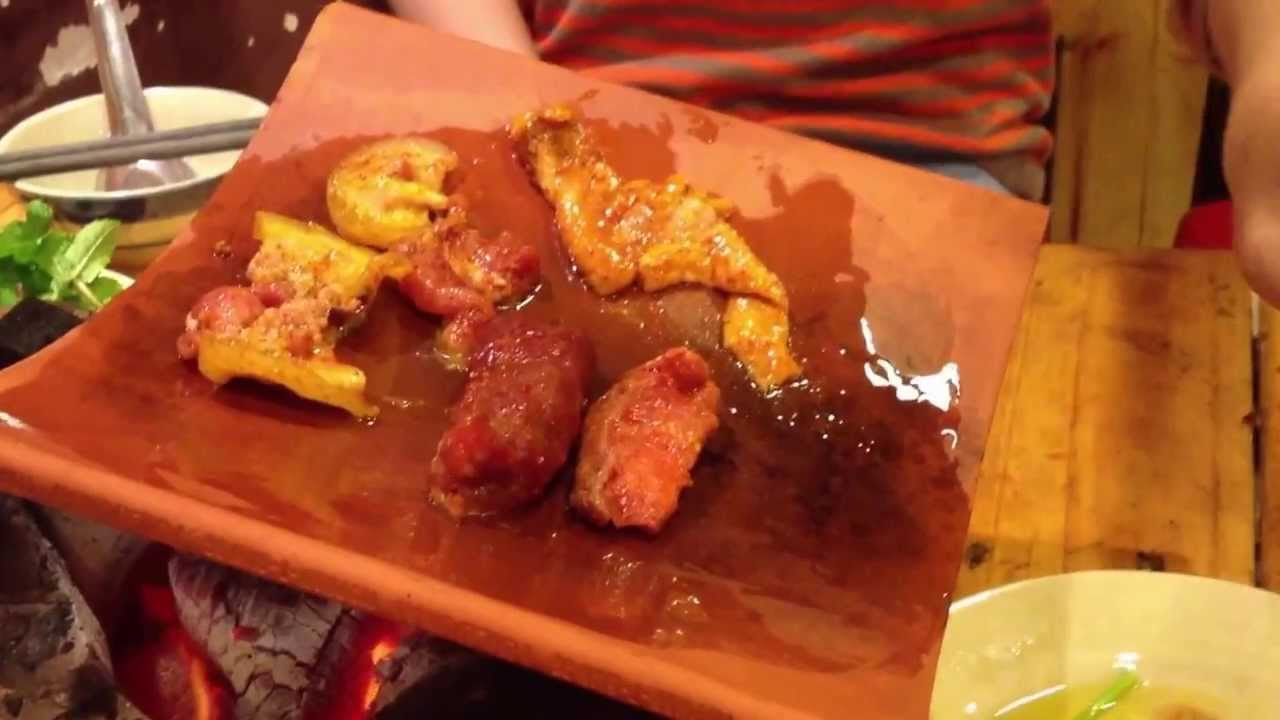
Quán Ăn Cu Đức is the only real sit-down place I'm gonna recommend, but it's a doozy. This highland style eatery specializes in a wide range of meats and vegetables that you grill yourself on an inverted roof tile.
maxresdefault
Cá suối nướng ngói (crocodile grilled on tiles)
While insanely popular it is in no way geared to western tourists. The staff are friendly but don't expect a lick of English and don't be surprised if you become an object of interest for the surrounding tables.
We had the cá sấu nướng ngói (crocodile with okra and eggplant marinated in turmeric and chili) and the somewhat less exotic but possibly even better tasting bò nướng ngói (house specialty beef filet).
Bò nướng ngói (Beef baked on tiles)
With the meats you get all sorts of nifty accoutrements like green chili and lime dipping sauce, roasted peanuts, a massive sesame rice cracker, seasoned salt, and a very interesting pickled palm fruit that I'm still trying to figure out the name for.
Pickled Fruit (ID, Please?)
Anybody know these things are called?
Hands down my favorite dish though was the đậu bắp luộc. It translates as just 'boiled okra', but at Quán Ăn Cu Đức they serve it with a clay pot of bubbling fish caramel mixed with some sort of chopped nut. (I have been informed that I am a doofus and this is actually pork fat. Dammit, Vietnam travel, why are you so delicious AND confusing?)
Đậu bắp luộc
That's the sauce in the back right.
I can not describe the ground-shaking deliciousness. I'm pretty sure this was one of my favorite dishes we've had the whole trip. Which is why it makes me extra sad that I DON'T KNOW WHAT IT IS!!! Ghawr! Knash! Friggit!
If you can send me a recipe, I'll give you France.
Quán Ăn Cu Đức - 6A Nguyễn Lương Bằng, Ward 2, Đà Lạt.
You can check out part of their menu here (in Vietnamese, but Google Translate helps a bit)
So there you have it folks. Plenty of eating stops to keep you busy in the temperate oasis of Dalat. Don't blow it.
See more: Tips for visiting Sapa Vietnam in this winter

Thứ Hai, 14 tháng 9, 2015

Chợ Đà Lạt- It's the huge market in the center of town. You can't miss it.

We picked some roll-you-own spring rolls, a bowl of bun nem nướng (grilled sausage on vermicelli), and an order of surprisingly tasty bánh khoái.
If you wanna travel to Dalat but don’t know anythings about Vietnam travel, you can look at in this topic.
Food Stalls at Chợ Đà Lạt
banh-khoai__02696_std
Chợ Đà Lạt for lunch
On the second floor of the large central market you can find all kinds of impressive offerings. The vendors are a little pushy, but take your time and do some perusing. See what's busy (duh) and gather up an assortment of dishes.
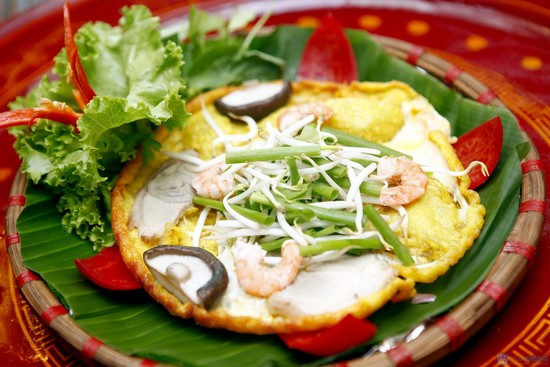
Banh Xeo (or banh khoai) is sold at many place, as Hanoi Vietnam, Saigon, ...but it was famous at chợ Đà Lạt
We picked some roll-you-own spring rolls, a bowl of bun nem nướng (grilled sausage on vermicelli), and an order of surprisingly tasty bánh khoái.
Chợ Đà Lạt- It's the huge market in the center of town. You can't miss it.
See more: Tips for visiting Sapa Vietnam in this winter

Thứ Sáu, 11 tháng 9, 2015

Taste Bánh Tráng Nướng in Dalat, Vietnam

Almost always you'll get an egg, either chicken or quail, cracked on top. Pork, beef, scallions, chili, pounded shrimp, mayo, and Laughing Cow cheese are all viable options as well.
Both of these were new to me, so I guess coming across a bunch of new dishes should have been expected. Regardless, I was extremely pleased. If you wanna travel to Dalat but don’t know anythings about Vietnam travel, you can look at in this topic.
In Dalat, in general, stick to the street food. Most of the restaurants we saw wanted to sell us nachos alfredo or fettuccine burgers or something equally blech-worthy. There are no shortages of adorable roadside and market eateries, so I implore you to take full advantage.


Also, Dalat is a vegetarian heaven. We didn't make much use of it (for no particular reason), but there aren't many towns around that can boast such a high percentage of meatless dining options. I'm really not sure why; I'm guessing it has something to do with monks.
But down to business. If you find yourself in Dalat, these are the four places that I wouldn't miss grabbing a bite at.
Bánh Tráng Nướng from this Adorable Lady on Nguyễn Văn Trỗi St.
Bánh tráng nướng are large sheets of rice paper grilled over smoldering coals and topped with all sorts of delightful goodies. I'm sure any day now some jackass will start marketing it as Vietnamese Pizza.


Almost always you'll get an egg, either chicken or quail, cracked on top. Pork, beef, scallions, chili, pounded shrimp, mayo, and Laughing Cow cheese are all viable options as well.
A lot of places fold the bánh tráng in half, but this lady gives you your own set of scissors (along with some chili dipping sauce) so you can dismember it to your personal taste.
I'm pretty sure she only sticks around until lunch, so after 3 or 4 pm her tiny red stools may have disappeared.
61 Nguyễn Văn Trỗi, Ward 2, Da Lat
See more: Tips for visiting Sapa Vietnam in this winter

Thứ Hai, 31 tháng 8, 2015

WHERE TO EAT & DRINK IN DALAT VIETNAM

Despite being a former French colonial hill station high up in the Annamtie Mountains, Dalat isn’t a pretty city. Like Saigon, Dalat’s charms are in the details; one of which is the food. Dalat’s altitude and cool climate make it ideal for growing vegetables and this has earned it the epithet ‘vegetable garden of the south’. However, it was only after many visits to this mountain city that I began to discover local eateries and restaurants that are worthy of its reputation for food. Part of the reason it took me so long to find good places to eat here is because, unlike the scorching lowlands where great food is served outside in full view of passers-by, in the chilly mountain climate of Dalat most places – street food included – are indoors, and therefore not always obvious from the street. Dalat is also famous for its coffee, which is grown locally, and there are plenty of enticing cafes where you can try it. Below is my guide to eating and drinking in Dalat.
WHERE TO EAT & DRINK
Nem Nướng Dũng Lộc: B14 Hoàng Văn Thụ Street; 091 623 3196: [MAP]
Nem nướng: a Dalat speciality
Dalat is one of a handful of places in Vietnam where nem nướng is a speciality. Nem nướng is a fresh, roll-your-own spring roll. Fill thin sheets of rice paper with a variety of herbs (including perilla leaf, sweet basil, chives, mint), add thenem nướng (grilled pork patty), then some chả ram bắp (crispy, fried sweet corn and rice paper rolls), pickled radish, carrot, and shallots, and roll it all up before dipping it in a thick, peanut sauce. Like all the best Vietnamese dishes it’s a brilliant balance of textures, flavours and colours. Nem Nướng Dũng Lộc is a small, clean, friendly and unfussy place on a quiet corner. I prefer this to the famous nem nướnggiant of Dalat, Bà Hùng Restaurant, which is just around the corner. This local favourite is superb value at 30,000VND ($1.50): it doesn’t get much more ‘Dalat’ than this.


Liên Hoa Bakery: 15-17 3 Tháng 2 Street; 063 383 7303: [MAP]
Beef stew: hearty cold weather food
This bakery and restaurant is a Dalat institution. Popular with families and foreign tourists the downstairs is filled with all sorts of baked goods, from croissants to cakes to Vietnamese baguettes (bánh mì). If you’re looking for something more substantial than a pastry, head up the stairs to the first floor restaurant. The menu is extensive, but for a good, warming, hearty mountain breakfast order the bò kho (beef stew). This is a chunky, spicy and aromatic broth with diced beef, carrot and lemongrass. Eaten on its own with a warm baguette for dunking or served over noodles, this dish is perfectly suited to Dalat’s cool climate – especially the cold mornings. One of the nice things about eating here is the constant buzz of customers coming and going – always a good sign when choosing a place to eat in Vietnam. A bowl of bò kho is 40,000VND ($2). [Click HERE to read more about Vietnamese beef stew]


Hoa Sen Vegetarian Restaurant: 62 Phan Đình Phùng Street; 063 356 7999: [MAP]
Excellent vegetarian food at Hoa Sen Restaurant
Dalat is full of nhà hàng chay(vegetarian restaurants), most of which are very average. Hoa Sen Restaurant is an exception to this rule because of the variety of dishes on their menu and the delicious, colourful and fresh food. Unlike many of the other vegetarian restaurants in Dalat Hoa Sen doesn’t focus on ‘fake meat’ dishes. Instead, they use the fresh vegetables that Dalat is famous for and cook them simply and beautifully. My favourites are steamed mustard leaf with ginger, aubergine fried in a light ginger and lemongrass batter, and lotus seed rice. They also serve vegetarian versions of Vietnamese classics, such as phở. Anyone who thinks vegetarian food is bland should try dipping their food into the chilli and ginger sauce here to change their minds. The restaurant is big, bright and airy with wooden furniture. Prices here are very reasonable: 20-60,000VND ($1-3).


Ms Tâm’s Bánh Tráng: Alleyway between No.32 & 34 3 Tháng 2 Street: [MAP]
Ms Tâm cooking bánh tráng
In the evenings, at the beginning of a narrow, dark alleyway between numbers 32 and 34 on 3 Tháng 2 Street, there’s an old woman in a conical hat sitting around a charcoal stove selling another Dalat favourite; bánh tráng. A Vietnamese friend once described this to me as the ‘Dalat pizza’: bánh tráng is a thin circle of rice paper with various ‘toppings’ on it that’s grilled over coals until crispy. It’s a popular snack all over Vietnam, particularly with children. Ms Tâm has been cooking bánh tráng for years in this spot. The dark, graffitied alleyway is warmed by her charcoal stove, lit by a naked light bulb hanging from a tarpaulin, and enlivened by passers-by stopping to exchange a few words with Ms Tâm before continuing on their way. The ‘toppings’ on Ms Tâm’s bánh tráng are simple but delicious; quail eggs, spring onions and tiny – almost tasteless – shrimp. Each one costs just 12,000VNĐ ($0.50). On cold Dalat nights, in the fine Dalat rain it’s warming and comforting to sit by the coal stove here – this is my first food stop whenever I visit Dalat.


Mì Quảng Thành: 58C Phan Đình Phùng Street: [MAP]
Mì quảng: a central dish also popular here in the highlands
This is just the kind of place I love: totally unassuming – and unpromising to most western eyes, no doubt – but totally delicious, Mì Quảng Thành makes no effort to advertise itself from the street; people know the food here is good, and that’s all that counts. Mì quảng is a central Vietnamese dish but it’s also very popular here in the highlands. On its way up from the coast to the mountains the dish has changed slightly. One big difference is the gigantic pig’s trotter in the middle of this soup! This trotter has been slow cooked until the meat and fat are so tender they melt in your mouth. Part of what makes mì quảng so unique are the thick yellow noodles. However, in the mountains this noodle is usually replaced by a thinner white one. Fortunately, Mì Quảng Thành offers the choice of either of these noodles. The broth is rich but not too sweet or salty, and the mint leaves, banana blossom and lime add crunch and tang to it. Very satisfying and cheap (30,000VNĐ/$1.50) Mì Quảng Thành is open from 4pm.


Bánh Căn So 7: 22 Tăng Bạt Hổ Street: [MAP]
Bánh căn: a warming snack
Another central dish that’s made its way up to the highlands, bánh căn is served in many different ways, but here in the mountains it’s simple, straightforward comfort food.Bánh căn are little rice flour cakes cooked in small, round ‘pods’ over hot coals. A quail egg is dropped in the middle and sprinkled with spring onions. Once cooked these little cakes are crispy on the outside with a bubbly, spongy consistency on the inside which makes them perfect for absorbing the salty-sweet dipping sauce. Bánh Căn 14 is a small, brightly lit hole-in-the-wall place that opens from around 4pm (20,000VNĐ/$1).

      
Tiệm Mì Tàu Cao: 217 Phan Đình Phùng: [MAP]
Chinese influence: wonton noodle soup
This is a great place for a Chinese classic that’s popular all over Vietnam. Mì hoành thánh (wonton noodle soup) is an egg noodle soup with pork dumplings, ground pork and pork slices in a sweet, clear broth. This is another hearty soup for those cold, grey Dalat days. Tiệm Mì Tàu Cao is a small, busy place that’s open to the street. It’s open all day but gets particularly busy in the mornings when locals dressed in heavy coats huddle over their steaming bowls for warmth.  The price for a bowl of soup is 40,000VNĐ ($2).


Ốc Nhé! 21 Lê Đại Hành Street: [MAP]
Scallops on the grill at Ốc Nhé!
Eating snails and shellfish and drinking beer is a popular night out for many Vietnamese. Ốc Nhé! has a large menu of snails, cockles, clams, scallops and oysters, most of which are grilled over coals on the sidewalk. This place attracts a young crowd and prices are higher than other eateries in this list (40-60,000VNĐ/$2-3 a dish). Try the steamed clams with lemongrass and chilli, and the grilled scallops with peanuts and onions. Read more about eating snails on VietnamCorcacle.com HERE.

     
Café 13: 13 corner of Trương Công Định & Tăng Bạt Hổ streets: [MAP]
Cafe 13: a great space to relax
This café, restaurant and bar is located on a quiet corner under an avocado tree near Dalat’s ‘backpacker’ area. In a cool, relaxed environment – similar to the more bohemian of Saigon’s trendy cafes – Café 13 is a nice open space with a bright interior and a leafy patio with potted plants and flowers. Portraits of famous sportsmen, musicians and movie stars adorn the walls, and secondhand books lie on tabletops. The coffee is sweet and rich, and the menu here includes some western favourites for those missing the comforts of home. At night fairy lights and lamps illuminate the patio, decent music is played, and good alcoholic drinks are available. Prices for food and drink are between 30,000-100,000VNĐ ($1.50-$5).


Café Năm: 13 Phan Bội Châu Street: [MAP]
Cafe Năm: old time coffee shop
This is a real ‘old time’ café: a small place open on two sides, a tiled floor, a half dozen little wooden stools and tables, with mostly older men smoking, chatting and reading newspapers: no Wi-Fi here! Hot, chocolaty coffee (8,000VNĐ/$0.50) is served in tiny shot glasses with a pot of jasmine tea on the side. It feels like it’s been open for generations and, judging by the steady flow of customers, it’ll continue for many more years to come. It’s interesting that many of the new ‘youth’ cafes in Vietnam’s towns and cities seem to have taken their cue from ‘old time’ cafes like this one: adopting the low wooden stools and chairs and making them trendy and contemporary.


Windmills Coffee Shop: 133 Phan Đình Phùng Street: [MAP] | No.7 3 Tháng 2 Street: [MAP] | Entrance to Chợ Mới (New Market) on Phan Bội Châu Street: [MAP] 
Windmills: great local coffee
Windmills now has 3 locations in Dalat and over the last few years they’ve deservedly gained a reputation among tourists and locals for good quality western-style coffee and cake. Staffed by young Vietnamese (often students at Dalat university) all the Windmills outlets have a friendly, youthful and bright ambience. The décor is comfy, cutesy and very ‘Dalat’ – wooden chairs and floorboards, colourful cushions, pretty flowers in vases, peppermint-green and white awnings, and smart lamps. The menu is chalked up on a blackboard in swirling writing next to sketches of some of the items and famous Dalat landmarks. Coffee here is excellent and reasonably priced (20-40,000VNĐ/$1-2). Like most coffee shops in Dalat Windmills uses coffee grown locally in Lâm Đồng Province, but the difference is that Windmills uses the arabica bean which has a smoother flavour than the bitter robusta bean that most other Vietnamese coffee shops serve. Despite being a chain Windmills retains the intimacy of a local café; let’s hope they don’t expand too much and end up losing this vital quality. (Wednesday and Friday nights at Windmills No.7 3 Tháng 2 Street there’s an acoustic ‘jam’ session where anyone can join in).


Café Ngoại Ô: No.31/1 3 Tháng 4 Street; : [MAP]
Coffee with a view: Ngoại Ô Cafe
Dalat lies in the middle of a beautiful landscape of pine-forested mountains, but there are very few places in the city where you can glimpse the natural surrounds. Cafe Ngoại Ô is located at the top of the Prenn Pass just as you enter the city limits. From the seats in its garden and log cabins there are views over pine forests, mountains and valleys. Mid afternoon till sunset is a great time for a strong coffee (20,000VNĐ/$1) while watching the light play across the landscape.  


Quán Hoa Sữa: 64 Tăng Bạt Hổ: [MAP]
Warming drinks at Quán Hoa Sữa
This place serves a variety of warming drinks for those cold Dalat nights: hot soy milk, green bean ‘brew’, and peanut ‘coco’. The latter is a bit like drinking smooth peanut butter but without the sweetness. There’s a selection of little pastries to dunk in your hot drink. Quán Hoa Sữa is not much more than a hole-in-the-wall but there’s usually a good crowd here sitting on the tiny plastic stools on the pavement from sunset. Drinks and pastries are very cheap: 5,000VNĐ ($0.25).


Le Café de la Poste: 7 Trần Phú Street: [MAP]
Colonial ambience: Le Cafe de la Poste
This café and restaurant is housed in the old French post office. It’s a superb building in a great position in the middle of an intersection which I call the ‘French Triangle’: to the south is the Hotel Du Parc, to the west the French cathedral, and to the east the grand old Dalat Palace Hotel. Inside there’s plenty of colonial charm: wooden booths with padded seats next to stained glass art-nouveau windows, a grand bar, chandelier, and black and white photographs of turn-of-the-century Dalat. Late afternoon on a sunny day is a good time for coffee and cake outside, when the sun sets behind the pink cathedral flooding the triangular patio with fresh, clean, clear, warm Dalat sunlight. However, there is something cold about this place: service is shaky, prices (100-300,000VNĐ/$5-15) are far too high for the quality of food and drink, and there are rarely any customers. What’s more, they play terrible instrumental arrangements of sentimental pop songs in the bar – I can’t think of anything more at odds with the general ambience of this café.